
"Does TRT make you infertile" ranks as one of the top fears men share before starting testosterone treatment. The concern makes sense. Testosterone affects sex drive, erections, energy, and muscle. Fertility depends on sperm production, which also depends on hormones.
Here is the key point up front. TRT often lowers sperm production while treatment continues. For many men, sperm production returns after stopping TRT. Timing varies. Some men recover faster. Some need more time. Planning matters.
To understand why this happens, it helps to understand where sperm comes from.
How sperm production works in plain English
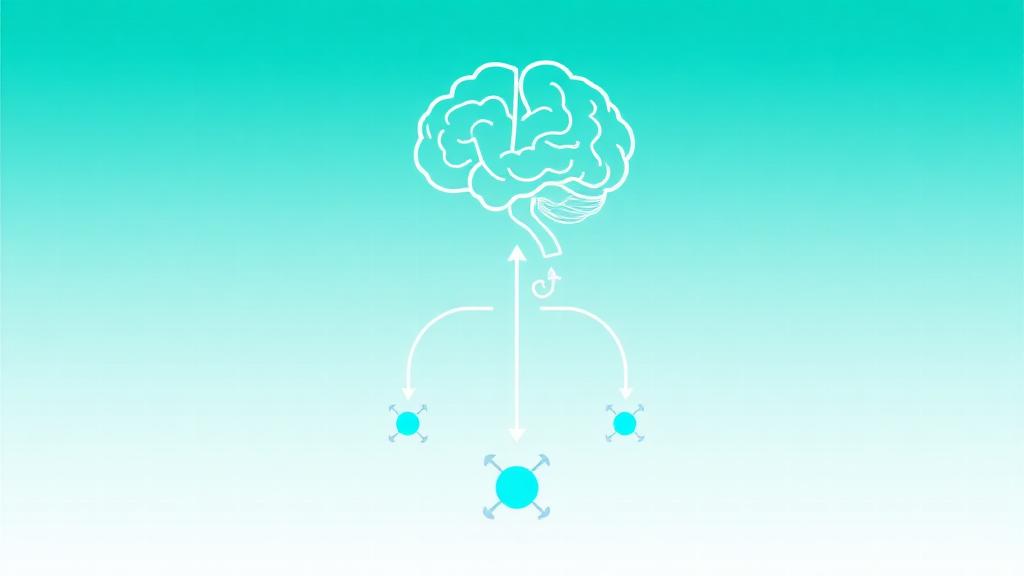
Your brain runs the system.
Step 1: The hypothalamus releases GnRH in pulses.
Step 2: The pituitary releases LH and FSH.
Step 3: The testes respond: - LH signals Leydig cells to make testosterone inside the testes. - FSH works with that local testosterone to support sperm development.
This "brain to testes" loop is called the HPG axis.
Now the important detail. Sperm production needs high testosterone inside the testes, not only in the bloodstream. When a man takes external testosterone, blood levels rise. The brain senses plenty of testosterone and turns down LH and FSH. With less LH, intratesticular testosterone drops. With less FSH support, sperm production drops.
The American Urological Association states that exogenous testosterone disrupts normal sperm production and may lead to very low sperm counts or azoospermia.
So, does taking TRT make you infertile? TRT often leads to infertility while active treatment continues. The mechanism is hormone signal suppression, not damage to the testes.
Why men get surprised

A lot of marketing skips this topic or explains it poorly. Men often hear "TRT raises testosterone" and assume fertility stays stable. In reality, TRT acts more like male contraception in many men. Medical literature describes this clearly.
That leads to the next question.
Does TRT cause permanent infertility?
Most men see recovery after stopping TRT. Some recover slower. A minority experiences prolonged suppression, especially after long exposure, older age, or baseline fertility problems. A major review on recovery notes recovery often occurs, yet timelines range from months to years and individual factors matter.
The Endocrine Society recommends against starting testosterone therapy in men planning fertility in the near term. That recommendation exists because suppression is common and predictable.
"TRT lowers sperm because the brain stops sending the signals the testes need. Fertility protection starts with a plan, not guesswork.
What research shows about sperm recovery after TRT
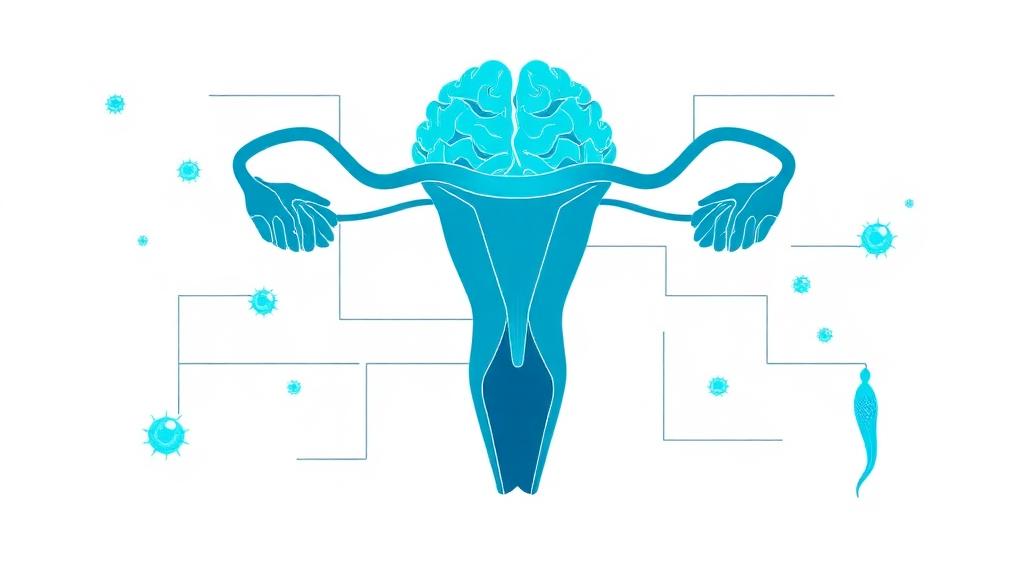
Men usually ask, "If sperm drops, how long until it returns?"
Male hormonal contraception studies offer useful data because they intentionally suppressed sperm using hormones and tracked recovery. In an analysis cited in a clinical report, the median time to reach a sperm concentration of 20 million per mL was about 3 to 4 months after stopping hormones, with most men recovered by 12 months and near complete recovery by 24 months.
Real world TRT populations vary more than contraception trials. Age, dose history, baseline fertility, and time on therapy influence recovery. A study on recovery treatment found age and duration of testosterone use correlate with time to sperm recovery.
So when someone asks "does TRT cause permanent infertility," the most honest medical answer looks like this: - TRT usually causes temporary infertility while on therapy. - Recovery often occurs after stopping. - Recovery speed varies. - Some men need medical support to restore sperm.
What men do when fertility matters
Men typically fall into one of three groups:
Trying for pregnancy soon.
Wants kids later, not now.
No fertility goals.
Group 1 needs a fertility first plan from day one. Group 2 needs a plan that preserves testicular function while treating symptoms. Group 3 has more flexibility, though informed consent still matters.
Fertility preserving options that raise testosterone
There are two broad strategies:
Raise testosterone by stimulating the body's own production, rather than replacing it.
Use TRT while supporting testicular signaling so the testes keep working.
A provider selects the approach based on labs, symptoms, testicular exam, and timeline.
Option 1: SERMs, such as clomiphene or enclomiphene
These medications block estrogen feedback at the brain. The brain responds by increasing LH and FSH output. That tends to raise endogenous testosterone and supports sperm production in many men.
Medical reviews describe clomiphene as an option for men seeking testosterone improvement with fertility preservation.
This approach fits men with secondary hypogonadism patterns more often than men with primary testicular failure. The Endocrine Society guideline discusses how fertility restoration relies on gonadotropin pathways in secondary hypogonadism.
Option 2: Gonadorelin support
Gonadorelin stimulates the pituitary to release LH, which supports intratesticular testosterone — a key requirement for sperm production.
Some clinical protocols use gonadorelin alongside TRT to help maintain testicular function and semen parameters. Evidence quality varies by protocol and patient type, and treatment is prescribed only when clinically appropriate.
Option 3: Gonadotropin therapy for recovery
For men who already developed azoospermia on TRT, stopping testosterone plus gonadotropin therapy is a common medical pathway. Recovery protocols may include gonadorelin or other gonadotropin-based approaches for men with infertility linked to testosterone exposure.
This option matters when pregnancy timing is urgent or when sperm counts remain low after stopping TRT.
Does TRT increase fertility?
TRT alone does not increase fertility in most men. It usually lowers sperm output due to signal suppression. Fertility improvements happen when the treatment plan supports sperm production pathways, not when testosterone replaces them.
If you see headlines suggesting testosterone improves fertility, read carefully. Some men with low testosterone also have health issues that affect fertility. Fixing sleep, weight, diabetes, alcohol intake, and medication exposures may improve both testosterone and fertility markers. Testosterone replacement itself still suppresses LH and FSH.
Practical steps for men before starting TRT
If fertility matters, take these steps before day one:
This tells you where you start. A surprise low count before TRT is common.
Total testosterone, free testosterone, LH, FSH, estradiol, prolactin, SHBG. These help identify primary vs secondary patterns.
Trying for pregnancy in the next 6 to 12 months often calls for a fertility first plan rather than standard TRT.
Nonprescription products increase risk and often lead to delayed recovery.
How Cost Plus TRT helps
Cost Plus TRT treats fertility as a core part of decision making, not an afterthought.
What you get:
- Care: A plan based on your goals, including fertility goals
- Education: Clear explanation of how TRT affects fertility in plain English
- Options: Fertility aware pathways when clinically appropriate, including non TRT options or combined support approaches
- Monitoring: Lab follow up and adjustments that prioritize safety and outcomes
Cost Plus TRT also stays affordable. TRT programs start at $89 per month, with transparent pricing and optional lab pathways.
Learn more about what TRT is or review TRT pricing.
Final Thoughts
Does TRT make you infertile? For many men, sperm production drops while TRT continues. This is expected biology. Most men recover sperm production after stopping testosterone, though timelines vary. Men who want kids soon or later should choose a fertility aware plan from the start.
Learn more, schedule a visit, or start TRT with CostPlusTRT today.