

You log in to review your labs, and one line jumps off the page: hematocrit high. If you're on TRT, that result can feel alarming fast. A lot of men immediately assume they need to donate blood, stop testosterone, or brace for a major problem.
Usually, that's not the right first move.
Hematocrit is the concentration of red blood cells in your blood. On testosterone therapy, it can rise. That's a known effect, and in most cases it's manageable when you follow a clear process. The key is not to panic and not to guess. Start by confirming whether the reading reflects a true ongoing issue or a temporary concentration effect from dehydration, illness, travel, fasting, or hard training.
The practical approach is straightforward. Confirm the number is real. Take sensible short-term steps at home. Then work with your prescribing clinician on the cause and the long-term fix.
Table of Contents
- Understanding Your High Hematocrit Lab Result
- First Confirm Your High Hematocrit Level Is Real
- Immediate At-Home Actions to Consider
- Medically Supervised Treatments for High Hematocrit
- Your Long-Term Hematocrit Management Plan
- Red Flags When to Seek Urgent Medical Attention
Understanding Your High Hematocrit Lab Result
A common scenario goes like this. A man on TRT feels fine, opens his portal, sees a flagged CBC, and immediately searches how to lower hematocrit levels. By the time he's read a few forum posts, he's convinced he needs emergency blood donation.
That reaction is understandable, but it skips a critical step.
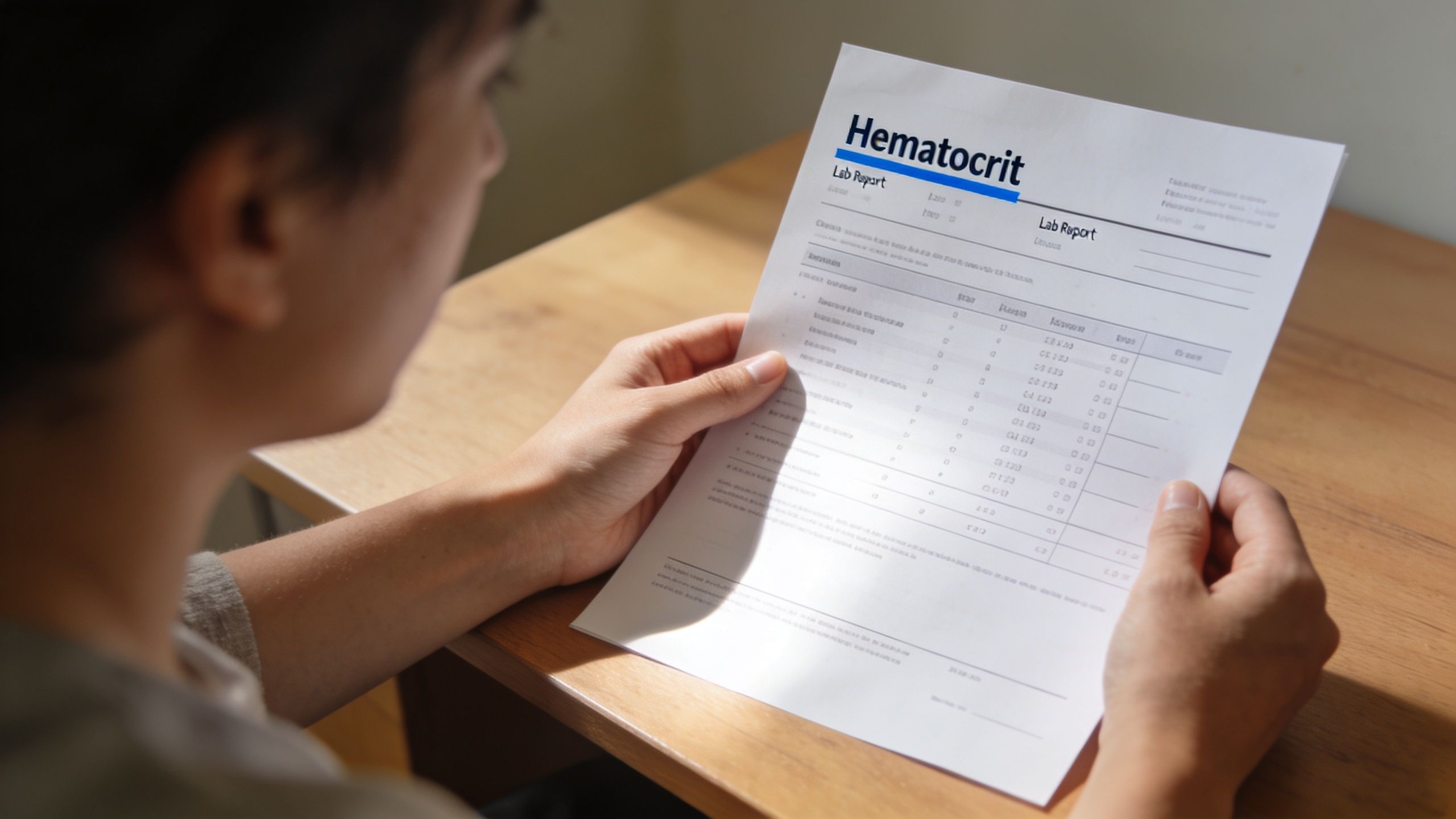
Hematocrit measures how much of your blood volume is made up of red blood cells. Testosterone can increase red blood cell production, so a higher result is a known lab finding during TRT. It's something to take seriously, but it's not automatically a crisis.
What this result usually means
In practice, a high hematocrit result is a signal to slow down and interpret the context. Did you get labs after a long flight, after a workout, while fasting, during an illness, or after not drinking enough fluids? Those details matter. They can change how concentrated your blood looks on paper.
Men using TRT care through telemedicine often have to fit blood work into busy schedules, which makes this even more relevant. The lab value may be real, or it may be temporarily exaggerated.
A high hematocrit result on TRT is often manageable. What matters most is whether it's persistent and what's driving it.
The mindset that helps most
The right posture is calm and practical. You don't want to ignore the number. You also don't want to overreact to one result without context.
That's why the best process starts with verification, then moves to immediate support steps, then to the sustainable fix. If you follow that order, you'll make better decisions and avoid a lot of unnecessary churn in your TRT plan.
First Confirm Your High Hematocrit Level Is Real
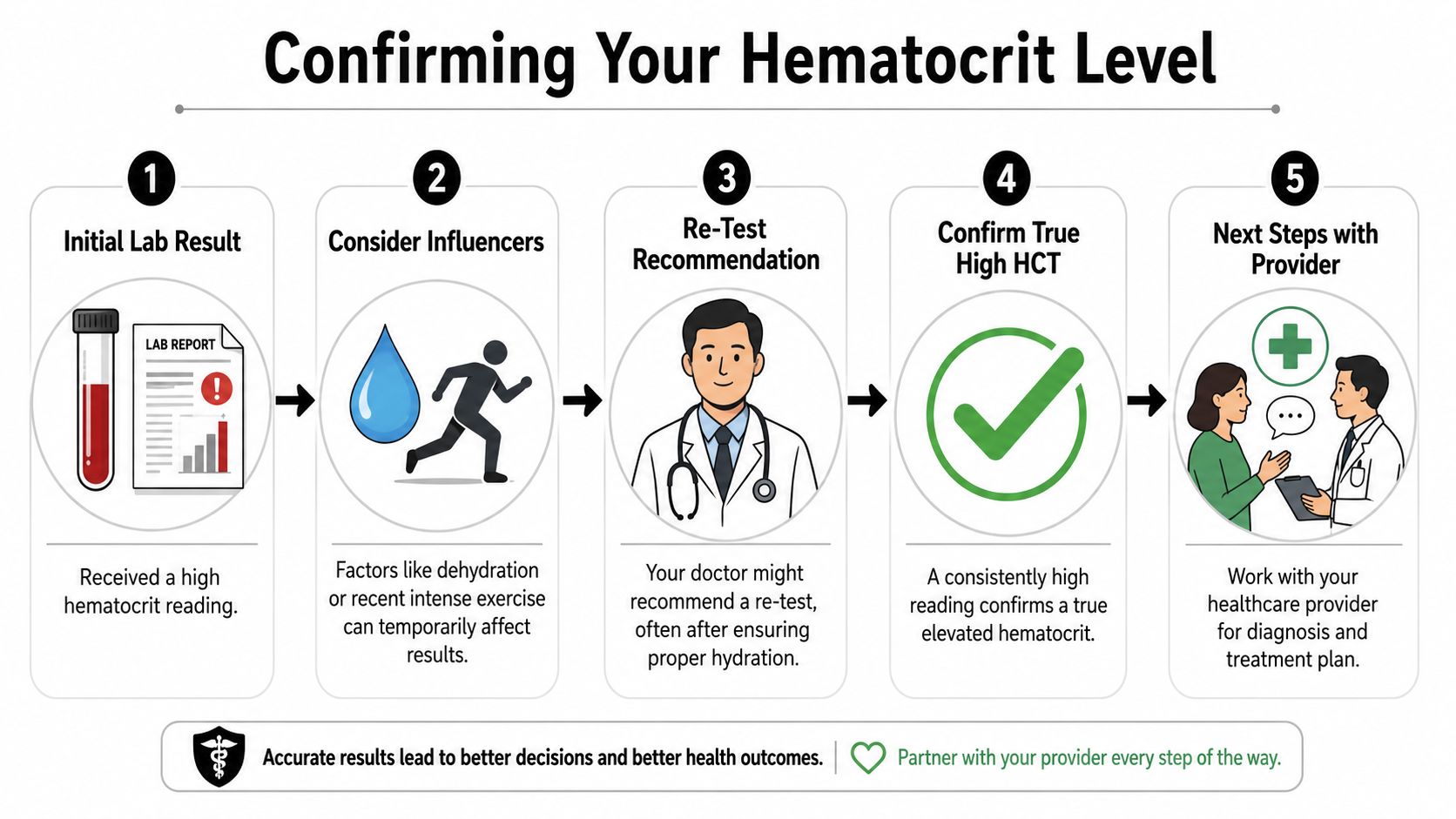
A common scenario goes like this: a man on TRT sees a high hematocrit result, gets worried, and starts looking up blood donation appointments that same day. In clinic, I slow that process down. The first job is to confirm whether the number reflects a real increase in red blood cells or a temporary concentration effect from low plasma volume.
That distinction matters because the plan is different.
The two possibilities are true erythrocytosis and relative hemoconcentration. True erythrocytosis means your body is sustaining a higher red blood cell mass. Relative hemoconcentration means the CBC looks higher because you were dry, recently ill, sweating heavily, fasting, or tested under conditions that reduced fluid volume. Men on TRT can have either one, and treating them the same leads to bad decisions.
Most guides skip this step and jump straight to phlebotomy. That can lower the number for the moment, but it does not tell you whether the result was even persistent in the first place. It also does nothing to identify the long-term driver, such as sleep apnea, smoking, high altitude exposure, or a TRT protocol that pushes levels too high between doses.
Common reasons a CBC can read higher than your baseline
I look at the setup around the lab before I change treatment. Several routine factors can push hematocrit up on paper:
- Low fluid intake: A dry day before labs can make the blood look more concentrated.
- Recent sweating: Hard training, heat exposure, saunas, travel, or poor sleep can all leave you behind on fluids.
- Recent illness: Fever, vomiting, diarrhea, or reduced intake can shift plasma volume.
- Diuretic effect: Alcohol, heavy caffeine intake, or medications that increase fluid loss can affect the result.
- Timing issues: Early morning labs after a rushed, fasted, under-hydrated start are often less representative than patients realize.
Altitude and recent blood loss can also affect interpretation, which is one reason a single CBC should always be read in context rather than in isolation.
What to do before changing your TRT plan
A single borderline result should not trigger a rushed testosterone adjustment. It should trigger a cleaner repeat test.
Use this process:
- Hydrate normally for several days before the repeat CBC
- Repeat labs when you are well, not during or right after an illness
- Avoid scheduling the test after unusual stress, such as travel, intense exercise, or a very dehydrating day
- Order the repeat through your prescribing clinician so the trend is documented correctly
- Review the pattern, along with hemoglobin, red blood cell count, symptoms, and any likely causes of low oxygen
If you want a plain-language overview of what prescribers usually monitor, this TRT follow-up and lab FAQ is a useful place to start.
Practical rule: A mildly high hematocrit after a dehydrated day is a different problem from a repeatedly high hematocrit on a well-prepared CBC.
Why this step improves treatment decisions
Confirmation protects you from two common mistakes. The first is overtreating a temporary lab distortion. The second is relying on repeated blood donation without addressing the reason the number keeps returning.
Once a repeat CBC confirms the elevation is real, the conversation gets more productive. Then it makes sense to look for the cause, such as sleep-disordered breathing, smoking, lung disease, altitude exposure, or a TRT protocol that needs adjustment in dose, frequency, or formulation. That approach is more sustainable than chasing the lab result alone.
Immediate At-Home Actions to Consider
You get the lab alert on a Friday, your follow-up is next week, and the first instinct is to do something fast. That urge is understandable. The right move at home is to lower the odds of another misleading result and remove obvious contributors that can keep hematocrit high.

Hydrate on purpose
If your last few days included hard training, alcohol, travel, heat exposure, or long stretches without fluids, correct that first. Hydration changes plasma volume, and plasma volume affects the hematocrit number on the page.
The practical goal is steady intake for several days, not one large bottle of water in the parking lot before the blood draw. In clinic, I tell men to make hydration boring and consistent.
A few simple habits help:
- Drink earlier in the day: Catching up late usually does not reflect your normal baseline.
- Plan for predictable dry spots: Flights, long drives, outdoor work, and workouts are common times to fall behind.
- Go easy on dehydrating habits before repeat labs: Alcohol and anything else that leaves you dried out can skew the result.
- Keep the pattern steady: A normal, repeatable routine gives your clinician a cleaner number to work with.
Reduce obvious low-oxygen triggers
If you smoke or vape, stopping matters. Carbon monoxide exposure and chronic airway irritation can push the body to make more red blood cells. The same basic pattern shows up with untreated sleep apnea. If oxygen drops night after night, hematocrit often stays high until the breathing problem is addressed.
This is why repeated blood donation is often an incomplete fix. The number may improve for a while, then climb again if the body is still being driven by low oxygen during sleep or from smoking.
If your partner says you snore loudly, you wake unrefreshed, or you feel sleepy during the day, bring that up to your doctor. Men on TRT commonly miss sleep apnea because they assume the fatigue is from work stress, age, or hormone issues alone. In practice, treating the sleep problem can matter as much as adjusting the testosterone plan.
If hematocrit stays high, ask whether low oxygen is contributing, not just whether the TRT dose is too high.
Here's a short overview that many patients find helpful before they meet with their clinician:
What not to do at home
The biggest mistakes are impulsive ones. Men skip injections, stretch out dosing intervals, restart on a different schedule, or add supplements they found online. That usually makes the picture harder to interpret.
Use this short list instead:
- Do not change your TRT protocol on your own: Dose, frequency, and formulation changes should be documented and supervised.
- Do not assume blood donation is the default answer: It can help in the right situation, but eligibility, timing, and the underlying cause all matter.
- Do not chase one lab in isolation: Symptoms, hemoglobin, red blood cell count, oxygen status, and the TRT regimen all affect the plan.
A high hematocrit result is manageable. The best at-home approach is simple: stay well hydrated, remove obvious oxygen-related drivers, and avoid self-directed treatment changes that create more confusion than progress.
Medically Supervised Treatments for High Hematocrit
Once repeat testing confirms the elevation is persistent, treatment gets more targeted. The plan should then become cause-based, not just reactive.
A lot of patients think the answer is always repeated phlebotomy. Sometimes that's appropriate. Sometimes it's the fastest way to lower the number. But if you never address why the hematocrit is rising, you can end up stuck in a cycle of temporary fixes.
When blood removal helps fastest
Therapeutic phlebotomy is one of the fastest evidence-based ways to lower hematocrit. In polycythemia vera, the long-standing treatment target has been 45% or lower, and expert discussion describes using phlebotomy weekly, or even twice weekly in severe cases, to bring the hematocrit down quickly. After control is achieved, patients may be monitored every 2 weeks or every month until values remain under 45%, according to this expert discussion of hematocrit control in polycythemia vera.
That disease context isn't the same as TRT-induced erythrocytosis, but the principle carries over. Removing blood directly reduces red blood cell concentration, which is why it's the most immediate correction when a patient needs the number down promptly.
What it does well:
- Acts quickly: It lowers hematocrit directly.
- Can relieve pressure on the treatment plan: It buys time while you and your clinician address the driver.
- Works when lifestyle changes aren't enough: Especially if the level remains high despite hydration and better sleep evaluation.
Its limitation is equally important. Phlebotomy doesn't fix untreated sleep apnea, smoking-related hypoxia, or a TRT protocol that creates large testosterone peaks.
Why TRT protocol changes often matter more
For many men on TRT, the more durable answer is adjusting the way testosterone is delivered.
Practical guidance for lowering hematocrit on testosterone therapy recommends this sequence: first confirm the elevation is real with a repeat CBC while euvolemic, then screen for reversible hypoxia drivers such as sleep apnea, and then reduce peak testosterone exposure by switching from intramuscular injections to subcutaneous or transdermal delivery, or by splitting weekly injections into smaller, more frequent doses. That same guidance notes that changing the testosterone delivery method is often the most effective non-phlebotomy intervention, and that a 10 to 20% dose reduction can normalize hematocrit in some patients, as outlined in this clinical guidance on lowering hematocrit without phlebotomy.
That approach makes physiologic sense. Big peaks tend to drive more red blood cell production than steadier exposure. So the clinician's job isn't only to lower the current number. It's to redesign the protocol so the number is less likely to rise again.
Common changes include:
- Splitting injections into smaller, more frequent doses
- Switching from intramuscular to subcutaneous delivery
- Using a transdermal option in selected patients
- Reducing total dose when the clinical picture supports it
These aren't interchangeable. A man who feels excellent on one protocol may not feel the same on another. That's the trade-off. You're balancing symptom control, testosterone levels, convenience, and hematocrit response.
A practical action table
The exact threshold for action depends on your clinician, your symptoms, your trend, and the rest of your health picture. The table below is a practical framework, not a substitute for individualized care.
| Hematocrit Level (%) | Interpretation | Potential Clinical Action |
|---|---|---|
| Mildly elevated | Could reflect dehydration or early TRT effect | Repeat CBC when well-hydrated, review recent illness, travel, exercise, and fluid status |
| Persistently elevated on repeat testing | More likely true erythrocytosis | Evaluate for smoking, sleep apnea, altitude exposure, and TRT peak effects |
| Rising despite lifestyle correction | Suggests ongoing physiologic driver | Consider TRT dose adjustment, split dosing, or route change |
| High enough to require faster reduction | Needs prompt physician-directed intervention | Therapeutic phlebotomy may be used while the underlying cause is addressed |
Repeated blood removal without fixing the cause can turn into maintenance by default instead of treatment by design.
Don't ignore hypoxia
This is the piece too many articles treat as an afterthought. Current TRT-focused guidance increasingly emphasizes that obstructive sleep apnea, smoking or vaping, COPD, and high altitude can all drive increased hematocrit through compensatory red blood cell production. The same clinical commentary argues that changing the testosterone delivery method to reduce peak exposure may lower hematocrit more effectively than repeated phlebotomy in some men, as discussed in this cause-based review of hematocrit management on TRT.
In clinic, this is often the turning point. A patient donates blood, the lab looks better for a while, then the value climbs again because nothing changed upstream. If that patient also snores heavily, wakes unrefreshed, or has witnessed apneas, the next best move usually isn't another automatic donation. It's an evaluation for sleep-disordered breathing and a rework of the TRT protocol.
Your Long-Term Hematocrit Management Plan
A stable plan is less dramatic than the internet makes it sound. It's mostly about consistency, pattern recognition, and not making big decisions from noisy data.
Build around trends not single labs
The men who manage hematocrit best usually stop thinking in terms of one flagged result and start thinking in terms of lab trends plus cause control. Once your clinician has corrected the immediate issue, the next goal is keeping future CBCs boring.
That means repeating labs on a routine schedule your prescriber recommends, getting tested under similar conditions, and avoiding “lab sabotage” from dehydration, travel stress, or poor sleep. If you've changed injection frequency, route, or dose, you want enough follow-up to see whether the new protocol solved the problem.
What a sustainable plan usually includes
Long-term management often combines a few pieces rather than relying on one tactic forever.
- Consistent lab timing: Try to get CBCs under normal, repeatable conditions.
- A stable TRT protocol: Frequent changes make it harder to know what's working.
- Ongoing attention to oxygen issues: If sleep apnea or smoking contributed once, they can contribute again.
- Selective use of phlebotomy: Helpful when needed, but not ideal as the whole strategy.
A useful way to think about this is that phlebotomy can be the rescue tool, while protocol optimization and hypoxia management are the maintenance tools.
Men usually do best when the plan makes future spikes less likely, not just easier to clean up.
If you're trying to understand the broader context of TRT follow-up and monitoring, the Cost Plus TRT blog has additional educational material on treatment logistics and common patient questions.
The important reassurance is simple. High hematocrit on TRT is usually manageable when you approach it methodically. Confirm the result. Correct the cause. Monitor the trend. That's how you lower the number and keep it there.
Red Flags When to Seek Urgent Medical Attention
Most men with a high hematocrit lab result do not need emergency care. They need a plan, repeat testing, and clinician-guided treatment.
But symptoms matter more than the portal flag. If you develop signs that could suggest a clotting, cardiac, or neurologic emergency, don't wait for a routine follow-up.
Go to urgent care or the ER right away if you have
- Chest pain: Especially if it's new, severe, or accompanied by sweating, nausea, or pressure
- Shortness of breath: Particularly if it appears suddenly or feels out of proportion to activity
- One-sided weakness or numbness: Face, arm, or leg
- Slurred speech or confusion
- Sudden severe headache
- Vision loss or major visual change
- Fainting or near-fainting
- New severe leg swelling or calf pain, especially on one side
These symptoms should never be brushed off as “probably just high hematocrit.” They need immediate medical assessment.
Don't drive yourself if neurologic symptoms are happening
If you have chest pain, stroke-like symptoms, severe breathing trouble, or rapidly worsening confusion, call emergency services. Don't wait to see whether it passes. Don't post in a forum. Don't try to troubleshoot your next testosterone dose.
A lab abnormality is one thing. A possible emergency is different.
If your only issue is a high CBC without acute symptoms, that's usually handled through your regular TRT clinician with a structured follow-up plan. If symptoms are severe or sudden, the correct move is urgent evaluation now.
If you're on TRT and need a straightforward, physician-supervised plan for labs, protocol adjustments, and ongoing follow-up, Cost Plus TRT offers telemedicine care built around transparent pricing and practical management for men who want expert oversight without unnecessary friction.